- Q3 bunker consumption fell 6.3% year on year to 2.51 million FOE tonnes.
- Average bunker price in Q3 rose 49% YoY to $798/FOE tonne; bunker costs increased 37% to $2.1 billion.
- Bunker efficiency improved 8.2% to 5.81 FOE kg/TEU-day.
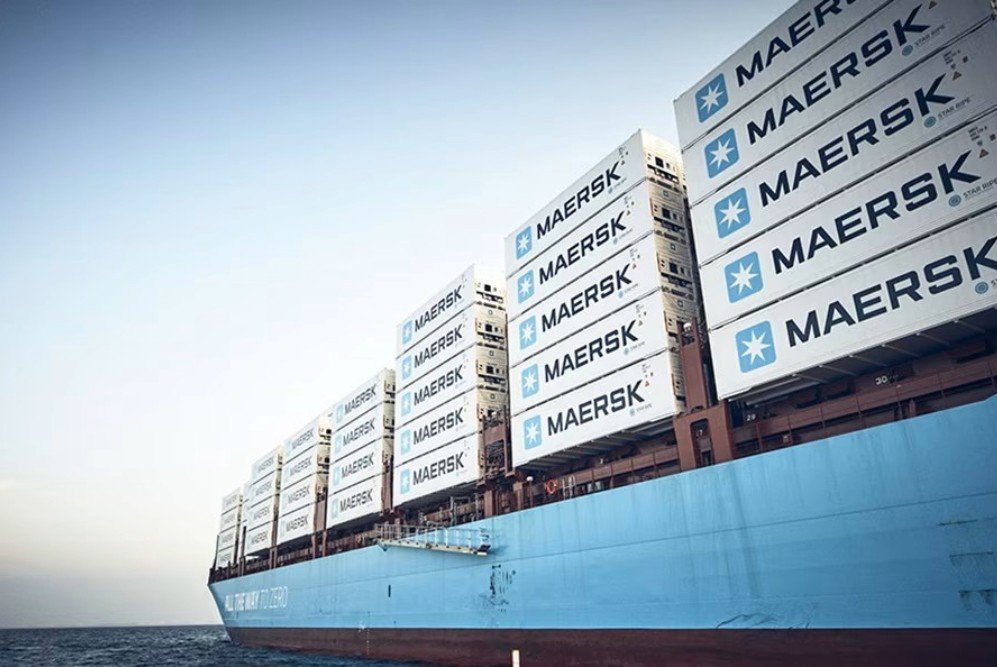
Shipping company A.P. Moller-Maersk reduced its bunker consumption by 6.3% year on year in the third quarter, partly due to the partial return to Suez Canal transit.
The company's fleet consumed 2.51 million fuel oil equivalent (FOE) tonnes of bunker fuels in the three months to September, compared with 2.68 million FOE tonnes in Q3 2025, according to its Q3 interim report published on Thursday.
On a quarterly basis, the firm’s bunker consumption was down 2% from Q2 2026.
From Q1 2026, Maersk has used fuel oil equivalent tonnes (FOE tonnes) as its standard reporting unit for bunker consumption, replacing metric tonnes.
The reduction came as Maersk's average bunker price increased 49% to $798/FOE tonne in Q3 2026, up from $537/FOE tonne in the same period last year.
Bunker costs rose 37% to $2.1 billion, compared with $1.5 billion a year earlier, as higher crude oil prices and elevated supply costs drove up fuel expenses.
Maersk said the increase reflected global fuel supply disruption linked to the Middle East conflict.
The firm consumed 5.81 FOEkg per TEU per day of marine fuel in Q3, down from 6.33 FOEkg/TEU day in Q3 2025 – an 8.2% improvement in bunker efficiency.
The company’s ocean segment reported an EBIT of $2.6 billion for Q3 2026, up from $567 million in Q3 2025.
In the first nine months of this year, the company’s fleet consumed 7.59 million FOE tonnes of bunker fuels, down 5.2% from 8.01 million FOE tonnes.
Maersk is one of the world's largest consumers of bunker fuel. The firm’s fleet consumed 10.62 million FOE tonnes of bunker fuel last year.