A day after one of the severest selloffs since the pandemic, oil prices on Thursday were poised for a modest comeback, reportedly based on analysts reassessing their earlier expectations that Democrats who had swept the U.S. house and senate would encourage an end of hostilities with Iran.
As of 1030 GMT, Brent was up by $1.53 to $96.15 per barrel, and West Texas Intermediate gained 52 cents to $88.64 per barrel.
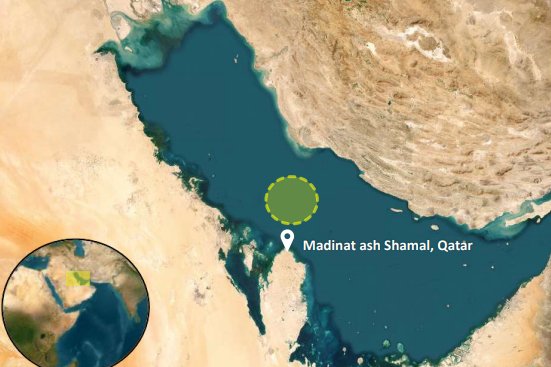
After suggesting that the midterm election outcome was prompting the market to conclude that U.S. president Donald Trump might be inclined to make a deal with Iran, Andy Lipow, president of Lipow Oil Associates, on Thursday said tankers being attacked by mines or drones in the Middle East were worrying the market, as was Iran’s inflexibility regarding negotiations with Washington.
Lipow was referring to UK maritime security agency UKMTO’s disclosure that at least five vessels reported incidents since Sunday, roughly the same rate as in October when the agency said 35 vessels were hit.
June Goh, senior oil analyst at Sparta Commodities, added , “The path to full diplomacy to end the war is still fraught with many unknowns while the global strategic reserves have drawn very thin."
But mixed signals regarding Strait of Hormuz transits and global supplies continued to clutter news headlines: JPMorgan said in a research note that the transits were voluminous enough to push the market back into a surplus of 1.1 million barrels per day (bpd) in September and 1.4 million bpd in October, compared to last year’s average of 1.3 million bpd.
Meanwhile, Iranian inflexibility continued to be met by U.S. military might, with limited strikes against Iranian targets conducted near the Hormuz as recently as Monday, and the treasury department in the previous session announcing new sanctions against entities in India and Turkey accused of supporting Iran.
For her part, Michelle Brouhard, head of policy and geopolitical risk at Kpler, said a limited military strike followed by a withdrawal could offer Trump a politically easier way out of the conflict than accepting Iranian demands or maintaining an expensive stalemate.
In other war-related oil news, media reported that the United Arab Emirates’ state-owned Abu Dhabi National Oil Co. is assessing plans for a third pipeline from the UAE’s western coast to Fujairah on its eastern coast that could supply Asian customers and bypass the Hormuz altogether.
The new pipeline would build on the UAE's existing pipeline, which runs 252 miles from Habshan in Abu Dhabi to Fujairah on the Gulf of Oman and has a capacity of 1.5 million bpd.