Members of the Institute of Marine Engineering, Science and Technology (IMarEST) have identified infrastructure, commercial incentives and value-chain coordination as major barriers to achieving the IMO’s 2050 net-zero emissions target.
The findings were gathered by IMarEST's Ship Energy and Environment Special Interest Group (SEESIG), which surveyed professionals across ship management, classification, engineering, academia and maritime services.
Respondents expressed broad support for the IMO's decarbonisation ambition but highlighted uncertainties around fuel production, bunkering infrastructure, supply chains and long-term regulatory frameworks as factors delaying investment.
They also called for greater cooperation between shipowners, operators, ports, fuel producers, charterers and cargo owners.
Voyage optimisation, digitalisation and just-in-time arrivals were identified as some of the most effective near-term measures to reduce emissions.
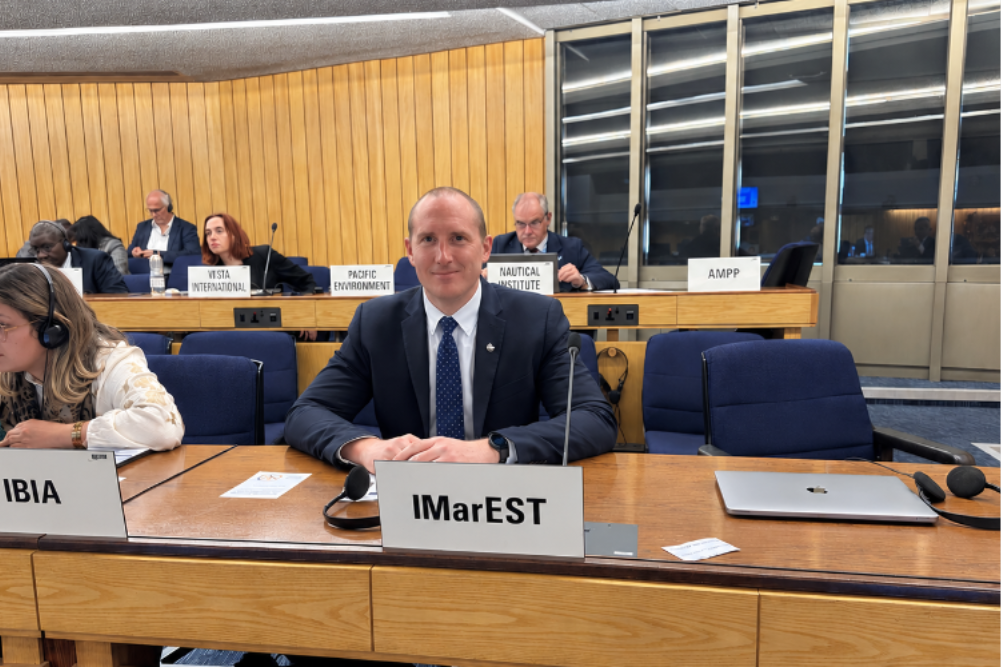
"Shipping has a unique opportunity to take control of its emissions and accelerate the transition to Net-Zero," Alasdair Wishart, director of technical and policy of IMarEST, said.
“The cost of inaction is greater than the cost of action, and many of the technologies needed to reduce emissions already exist or are advancing rapidly.”
IMarEST is a membership body that support marine professionals throughout their career.