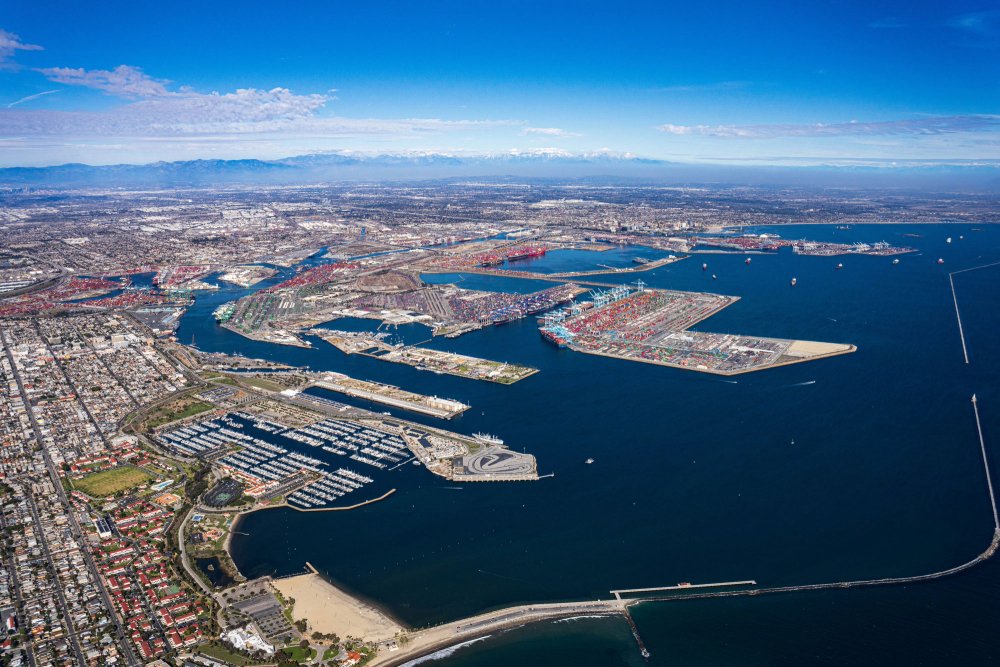
Methanol bunker demand at the ports of Los Angeles and Long Beach could reach up to 250,000 mt/year by 2030, according to a joint study examining the future of alternative marine fuels in the two US ports.
The Clean Marine Fuel Feasibility Assessment was conducted as part of their joint Green Shipping Corridor efforts to examine alternative fuels, potential demand and infrastructure requirements, as per an emailed update on Wednesday.
The study projects annual methanol demand to range from 64,000 to 250,000 mt by 2030, depending on market conditions and vessel deployment. LNG demand could reach 65,000-115,000 mt over the same period.
Existing storage and distribution facilities could be adapted to support early methanol bunkering, potentially reducing the need for major initial investments.
The assessment recommends incentivising early methanol use, exploring pilot bunkering projects and working with regulators on safety and permitting requirements.
For LNG, it favours existing ship-to-ship bunkering methods over major new storage facilities.
The findings will inform a joint request for proposals expected by the end of 2026 to demonstrate alternative fuel bunkering capabilities at San Pedro Bay.
Around 4,000 vessels call at the two ports annually, making shipping emissions a key target in their efforts to improve air quality and reduce greenhouse gas emissions.