The seemingly endless ebb and flow of hostilities between the U.S. and Iran that has influenced trading for most of the year apparently cycled back to a low point on Monday, with traders causing oil to settle lower on the flimsiest of indications of peace being achieved in the Middle East.
After it was reported that mediators from Qatar travelled to Tehran in coordination with the U.S. to seek ways to ease regional tensions, Brent settled down 91 cents at $115.81 per barrel.
West Texas Intermediate settled down $1.51 at $101.76 per barrel.
The optimism was kindled by Saudi Arabia, Turkey and Pakistan holding talks with Iranian officials in Tehran on Monday; however, while most western media outlets reiterated part of the Iranian state media’s claim that the talks were undertaken with a view to strengthening cooperation in peace and security, the Iranian government stated in a post on X that the leaders were focusing on "Islamic unity, regional security & standing against US-backed Israeli aggression."
Other news on Monday made it unclear why traders would contemplate an end to aggressions – or oil volatility: Israeli prime minister Benjamin Netanyahu said on X, “Together with my friend President Trump….I do intend to permanently remove the Iranian nuclear threat.”
Meanwhile in Washington, U.S. president Donald Trump stated that U.S. military forces stationed in the Middle East are ready to launch major operations against Iran within 96 hours of receiving an order from him.
One source told media, “It will be a big effort.”
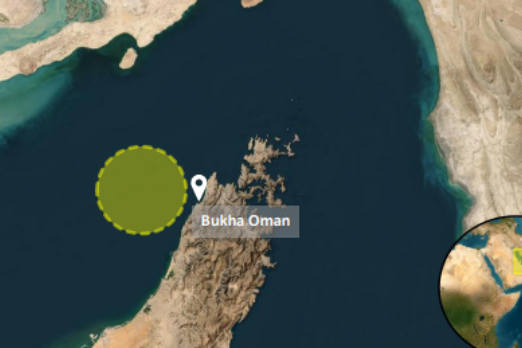
More dismal news on Monday came in the form of the contention that October has been the worst month for attacks on commercial shipping in the Strait of Hormuz and nearby waterways, according to the think tank Washington Institute for Near East Policy; plus, the United Kingdom Maritime Trade Operations agency on Monday repeated third-party reports of a vessel on fire near Al-Faw, Iraq.
Still, crude shipments from the Middle East are estimated to have recovered to near prewar levels, including through the Hormuz, despite Iranian attacks on vessels: US Central Command estimated that over 1.5 billion barrels of crude have passed through Hormuz with American assistance “since summer.”
Francisco Blanch, head of global commodities and derivatives research at Bank of America, said with regards to the Middle East talks, “The market is probably looking at that as a positive sign that maybe there is a dialogue occurring.
“It’s a very uncertain moment, but for oil if Iran goes back to attacking infra in the region we think $120 a barrel is probably on the cards on average for the next few months.”