- Container lines' average bunker prices historically within $5-10/mt of each other
- Hapag-Lloyd expects "noticeable differences" going forward driven by different fuel mixes and long-term commitments
- Line signed a 15-year green methanol offtake before it had any demand
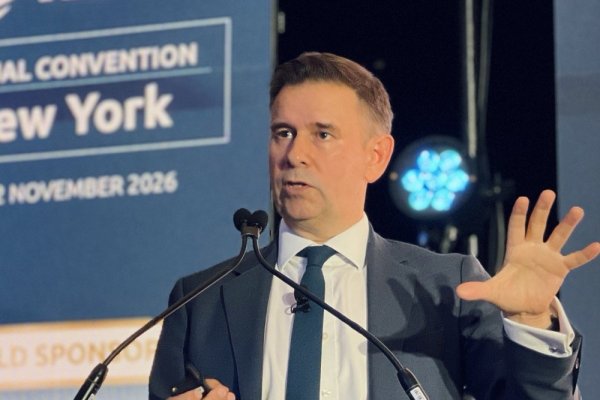
Container lines' future average bunker costs are set to move much further apart than in the past as their approach to fuel mixes and green fuel commitments diverge, according to Jan Christensen, Senior Director Global Fuel Sourcing at Hapag-Lloyd.
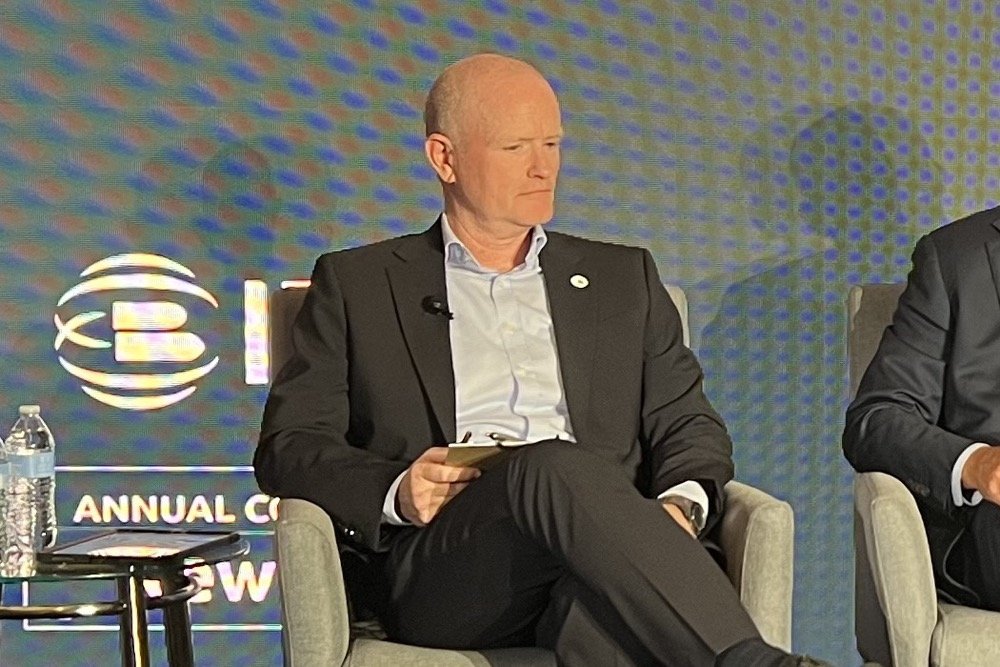
"When we compare our average bunker price as Hapag-Lloyd with the average bunker price of our competitors that publicly show their figures, we are going to see noticeable differences going forward," Christensen told the Bunker Buyers Panel at the IBIA Annual Convention in New York last week.
"Whereas in the past, it was always within five to $10 difference between ourselves and our competitors."
He put the change down to decisions not only on what mix of future fuels each line commits to, but also how much risk they take on when making long-term fixed commitments for those fuels.
"It becomes not just a tactical thing now, but also very strategic," he said.
Early signs of that may already be showing this month in the reported results of both Hapag-Lloyd and Maersk.
For the first nine months of 2026, Hapag-Lloyd's average bunker price was $635/mt, up from $535/mt a year earlier, whereas A.P. Moller-Maersk reported an average bunker price of $688 per fuel oil equivalent (FOE) tonne for the first nine months.
The Cost of Risk
One of the key issues for future fuels at present is that the lack of progress on the IMO Net-Zero Framework (NZF) means there are limited regulatory drivers for the uptake of lower carbon fuels.
The availability of these fuels is therefore limited.
But at the same time liners are required to be more and more flexible in their refuelling needs, with geopolitical events forcing vessels to reroute at short notice becoming an increasingly common occurrence.
Yet for the first time in its history, Hapag-Lloyd has signed a 15-year offtake agreement for green methanol before it had a single tonne of demand for the fuel, Christensen said.
"Just imagine the risk that we are also warehousing on our side," he said.
The line's contracts with its customers typically run for one or two years, meaning it must carry the balance of that period itself.
There is also no liquid market in green methanol to hedge against, he added.
"So we're sitting with financial exposure to those contracts, and we sign them, we're happy with them. But that's another risk that needs to be managed."
"Ideally, we would want to have a customer asking us for green transportation. Then we would build a ship. Then we go out and do the fuel contract," he said.
"Right now, the order is reversed: the fuel contract comes first, then the ship, and then the search for a customer."