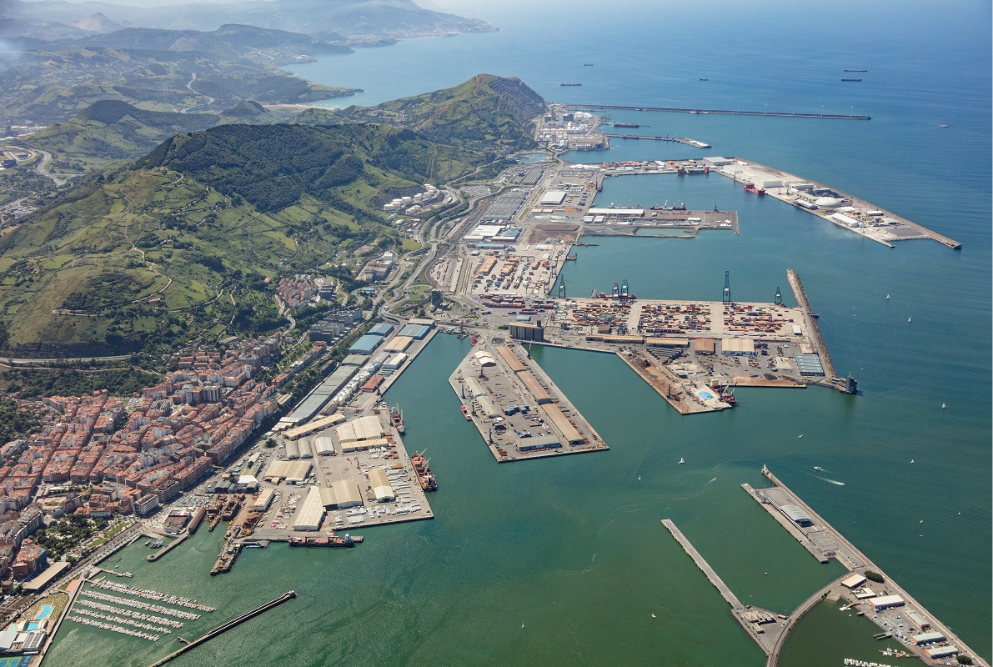
The Bilbao Port Authority has chaired a European Commission working group examining the implementation of onshore power supply (OPS) requirements under the FuelEU Maritime Regulation.
The report, published by the Commission’s Directorate-General for Mobility and Transport, outlines operational, technical and regulatory challenges facing the maritime sector.
The European Sustainable Shipping Forum (ESSF) working group examined scenarios including short port calls, equipment failures, technical incompatibilities and electricity price fluctuations.
It also highlighted the need for clear and predictable rules to support investment in OPS infrastructure and ensure the systems are used effectively across the European Union.
The Port of Bilbao is developing its own OPS infrastructure, allowing ships to connect to shore-side electricity while at berth and switch off auxiliary engines.
The facilities are scheduled to enter operation by the end of 2027. The project is co-funded by the port authority and the European Commission through the Connecting Europe Facility, NextGenerationEU and the European Investment Bank.
Shore power is becoming increasingly available at ports, but its climate benefits depend on how the electricity is generated, with renewable power offering greater emissions savings.
EU's shore power requirement mandates that cruise and container ships use shore power at major EU ports from 2030.