Despite Western mainstream media taking Iran’s ongoing threats and claims of control over the Strait of Hormuz at face value, a report on Friday said the world oil market will return to a surplus by the end of this year – and this caused traders to reverse earlier gains and send Brent prices down 0.1 percent at $95.71 per barrel by 0900 GMT.
For the week, Brent and West Texas Intermediate fell 16 percent and 13 percent, respectively.
The International Energy Agency said Middle East exports were recovering faster than global demand despite continued attacks on shipping, estimating that supply will average 105 million barrels per day (bpd) in the fourth quarter, 1.7 million bpd higher than anticipated demand.
The agency stated, "The oil market is showing tentative signs of rebalancing, with global oil supplies surpassing demand for the first time since the outbreak of the war in Iran.”
Additionally, the IEA noted that production from the U.S., Canada, Brazil, Argentina, and Guyana will rise by 1.6 million bpd this year, and in 2027 global supply is projected to rise by 6.6 million bpd to 108.1 million bpd.
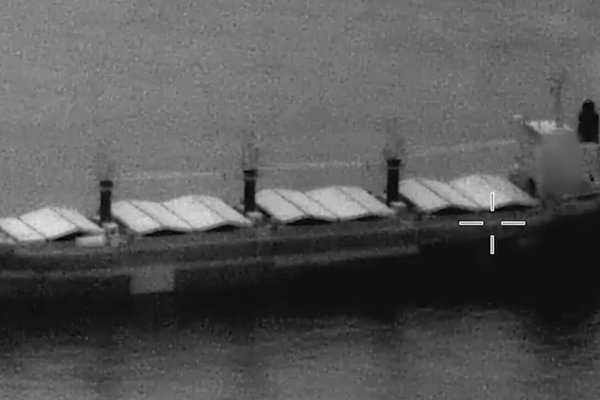
The IEA report came on the heels of signs that Gulf producers are recovering exports disrupted since the start of the war by, in addition to using military escorts, switching off tracking signals while transiting the Strait of Hormuz.
Still, any verified claims of disruptions in the Strait (media was still unable to confirm Iran’s claim of four oil tankers hit by explosions in the waterway on Thursday) could cause price spikes.
Sugandha Sachdeva, founder of SS WealthStreet, said, "Geopolitical risks remain elevated, and any fresh disruption to oil supplies could quickly reignite upward pressure on prices."
Until then, Washington’s new attitude seems to be to ignore the steady stream of rhetoric emanating from the Islamic republic: Sachdeva said U.S. president Donald Trump’s indications “that further military escalation against Iran may not be necessary have raised expectations that Washington could increasingly rely on economic sanctions and restrictions on oil shipments rather than intensifying military operations."