Oil prices on Friday were set for a 13-14 percent month on month increase based on current and anticipated hostilities in the Middle East related to the U.S./Iran war, as well as expectations that Washington will renew its strikes against the Islamic republic after the upcoming U.S. midterm elections.
As of 1707 GMT, daily trading saw Brent for December up $2.28 at $117.75 per barrel, and West Texas Intermediate climbing $2.74 to $104.79.
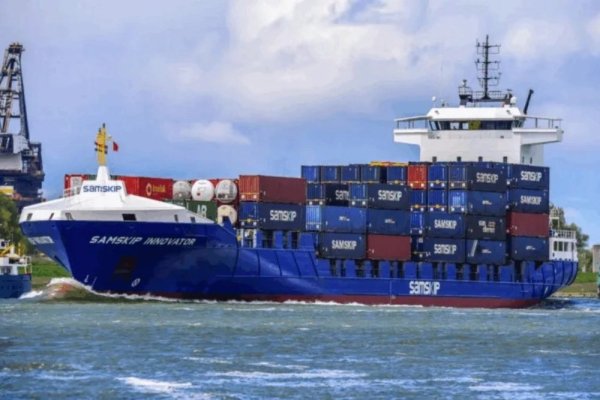
Trading was punctuated by what have become the usual calamitous headlines, this time from the British maritime security service, which reported that a tanker in the Strait of Hormuz was hit by explosive devices attached by a small boat: the first known successful strike using limpet mines in the waterway since the war with Iran began in February.
Also, Libya’s National Oil Corporation said an armed group shut a valve on the main Hamada crude oil pipeline, which links the Hamada field to the Zawiya refinery, halting a 15,000 barrel per day (bpd) flow.
The hostilities finally eclipsed what had been driving oil prices lower this week, namely, optimism regarding ongoing talks between Iran and other Middle East countries to end regional violence and reach a truce with the U.S.
Saul Kavonic, head of energy research at MST Marquee, said, “Continued kinetic action around the Strait of Hormuz amidst doubts of a viable diplomatic pathway is keeping oil prices elevated in expectation of an escalation of the conflict in coming weeks.”
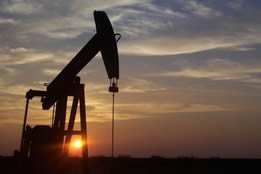
The clearcut good news amid the uncertainty and volatility belonged entirely to the oil companies: ExxonMobil and Chevron on Friday reported blowout profits, in the case of the former a profit that doubled from the same period last year, while Chevron’s earnings surged more than 180 percent from a year earlier.
Accordingly, Exxon shares have risen 52 percent and Chevron shares have returned 50 percent since the state of 2026.
ExxonMobil CEO Darren Woods told media on Friday that his refineries as well as others have been pushed to the limit: “This shortage of refining capacity and availability to the world is what’s driving product prices as high as it is, and frankly, diesel is the key crunch point here because it is so critical to economic growth.”