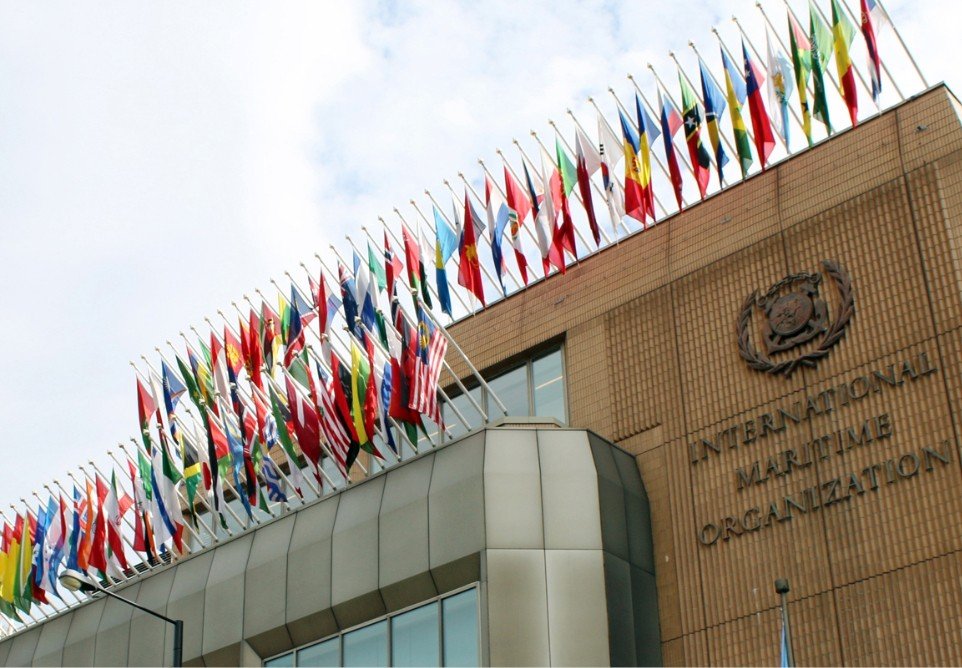
China is renewing its push for multipliers to encourage the use of zero- or near-zero-GHG-emission marine fuels (ZNZs) under the IMO’s proposed Net-Zero Framework (NZF).
The country previously put forward the multiplier proposal in an earlier IMO submission, arguing that it could improve the economics of green marine fuels.
In a new submission to the IMO last month, China sets out indicative annual values and examines how the mechanism could affect fuel costs and emissions.
“In the absence of a multiplier or other incentives, the cost disadvantage of ZNZs may hinder their uptake and constrain the fleet’s transition,” China said in its submission.
The multiplier would give eligible ZNZ fuels greater weight in a ship’s GFI compliance calculation.
China’s indicative multiplier is 1.95 in 2029, declining to 1.10 in 2035.
The values are based on a cost-parity approach intended to equalise the costs of the ZNZ pathway and a biodiesel reference pathway meeting the same base compliance target.
The paper says the multiplier could improve the economics of ZNZ uptake, but warns that it could also lead to higher actual emissions.
Under the scenarios examined, emissions from the ZNZ fuel mix would be 2.7% to 8.2% higher annually than the biodiesel reference pathway, with a cumulative increase of 6% over 2029–2035.
“Calibration of the multiplier should therefore take account of both the incentive for ZNZ uptake and the effects of changes in the fuel mix on actual emissions,” China said.
The paper also says a higher multiplier can create a further cost advantage, but does not necessarily increase actual ZNZ use.
China recommends calibrating the annual values against fuel prices, WtW emissions intensities and the base compliance target.
The multiplier has also been discussed as a possible alternative to funding under the NZF.
In August, IBIA’s representative to the IMO, Dr Edmund Hughes, told Ship & Bunker that China’s proposal could reward green fuels without requiring revenue from the IMO fund.
However, six Pacific island nations have urged the IMO to retain a dedicated fund, arguing that multipliers cannot replace direct financial rewards for cleaner marine fuels.