- H.J.Res.210 passed the House late on Tuesday, 212 Republicans and three Democrats in favour
- Resolution uses the Congressional Review Act to void the EPA waiver behind California's At-Berth rule
- Companion measure from Senator Dan Sullivan awaits the Senate; harbor craft resolution voted on Thursday
- Pacific Environment says California ports have put more than $550 million into shore power; repeal backers say CARB has become a de facto national regulator
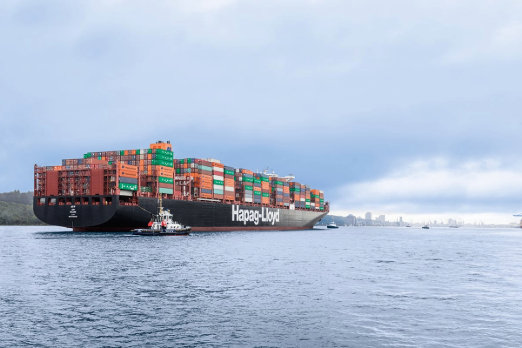
The US House of Representatives has voted to overturn the federal waiver behind California's At-Berth regulation, the rule requiring ocean-going vessels to plug into shore power or capture their exhaust while docked at the state's ports.
House Joint Resolution 210, sponsored by California Republican Vince Fong, passed 216 to 211 late on Tuesday, according to the House Clerk's record, with 212 Republicans, three Democrats, and one independent in favour and 210 Democrats and one Republican against.
The resolution uses the Congressional Review Act to disapprove the Environmental Protection Agency's (EPA) authorisation of the rule, which the agency transmitted to Congress as a rule in July, opening it to repeal.
It now goes to the Senate, where Alaska Republican Dan Sullivan has filed a companion resolution, and the House is due to vote on Thursday on a second resolution targeting California's Commercial Harbor Craft rule, which has required tugs, ferries, and workboats in the state to run on renewable diesel since 2023.
The At-Berth rule has applied in phases since 2014, with the 2020 update extending it to tankers and ro-ro vessels from 2025 and full enforceability from 2027.
Campaign group Pacific Environment, which has led opposition to the resolutions, said in an emailed statement that California ports have invested more than $550 million in shore power and related electrification at Los Angeles, Long Beach, Oakland, and San Diego, and that repeal risks turning that into stranded assets.
"Now all eyes turn to the Senate. We call on the Senate to uphold the waiver to protect the health of communities, state's rights, and America's ability to compete in the global economy," said the group's senior climate campaign director Teresa Bui.
The group also argues Clean Air Act waivers are adjudicatory orders rather than rules and so fall outside the Congressional Review Act, a position it says the Government Accountability Office and the Senate parliamentarian have both taken, and notes a federal judge in Washington has allowed California to add the At-Berth and harbor craft authorisations to existing litigation over other waivers.
Supporters of repeal take the opposite view of California's reach.
A coalition of 26 groups led by the American Energy Alliance wrote to Congress earlier this month arguing that the state's waiver authority "was never intended to turn the California Air Resources Board into a de facto national regulator", and that the maritime waivers apply that model to ports handling a large share of the country's imports.
A successful Congressional Review Act repeal would also bar the EPA from granting a substantially similar waiver in future.